The most common question in a PI intake call is some version of "what is my case worth?" The honest answer is that it depends on factors the attorney is still gathering. But attorneys also know the ballpark before they finish the intake. The math is not complicated.
The standard method: multiply medical specials by a factor based on injury severity, then adjust up or down for liability strength, treatment duration, lost wages, and jurisdiction. A soft tissue case with clear liability and $10,000 in specials is probably worth $20,000 to $30,000. A spinal surgery case with disputed liability and $80,000 in specials is a different conversation.
The tool below runs that math and gives you a structured range with the reasoning behind it.
How the estimate works
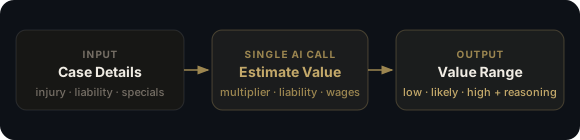
The prompt applies the multiplier method the same way an experienced PI attorney would work through it mentally. It starts with the injury type to set the baseline multiplier range, then adjusts for liability strength, treatment duration, and any lost wages.
The output is a low, high, and most likely figure, plus the specific factors driving the estimate in each direction. The "risks" section is just as important as the range. A case with strong specials but a gap in treatment or shared fault has a ceiling, and the tool flags that rather than ignoring it.
The prompt
The multiplier ranges in the prompt are based on standard PI practice. They are a starting point, not a formula. Jurisdiction, venue reputation, specific insurer behavior, and the strength of the medical records all affect real settlement outcomes in ways a prompt cannot fully account for.
Try it
Enter the injury type, liability strength, and medical specials. Lost wages, treatment duration, and state are optional but improve the estimate if you have them.
What the output is and is not
The range is a reference point for case strategy, not a promise or a prediction. It tells you the general neighborhood based on the inputs you provided.
Use it to:
- Set expectations in the intake call before you have full records
- Sanity-check a demand amount before sending
- Identify what information would materially change the valuation (the "would change the estimate" section)
- Explain settlement ranges to clients in plain terms
Do not use it to:
- Quote a number to a client as a guaranteed outcome
- Make final demand decisions without reviewing the full file
- Replace the judgment of an attorney who knows the case, the insurer, and the venue
The most useful part of the output is often the risks section. If the tool flags a gap in treatment or weak liability, those are the same factors an adjuster will use to push back on your demand. Better to know them going in.
How it connects to the other tools
This estimator works well after the intake pipeline has structured the initial case facts. Once you have the specials, the liability assessment, and the treatment duration out of the intake summary, you can run them through this tool to get a value range before drafting the demand.
The demand letter tool then takes that range and builds the letter around it.